Featured
Table of Contents
The 2026 Requirement for portfolio overview
The digital environment in 2026 has actually shifted from basic online presence to an extensive need for quantifiable returns. Organizations no longer see a website as a fixed pamphlet however as a high-capacity engine for growth. This shift requires a departure from conventional imaginative approaches towards a methodology rooted in information and user psychology. By analyzing how users communicate with specific user interfaces, agencies can recognize friction points that hinder conversions. The current year has actually seen a significant increase in the significance of technical precision, where every millisecond of load time and every pixel of layout straight impacts the bottom line.
NEWMEDIA has developed a reputation for navigating these complexities by prioritizing evidence over instinct. Steve Morris, the agency's CEO, often highlights that the marital relationship of data and design is the only way to stay competitive in a saturated market. Whether the focus is on web design and digital marketing or more specialized initiatives, the goal stays the very same: extracting optimal worth from every visitor. This viewpoint has actually become important as businesses deal with increasing costs for consumer acquisition throughout all major channels.
Data Integration and the Function of various
Success within various now depends upon the capability to translate large quantities of customer information. In 2026, the most successful brands are those that use behavioral analytics to inform their marketing invest. Rather of blanket advertising campaigns, business are deciding for hyper-targeted approaches that talk to the specific needs of their audience. This level of personalization is enabled through sophisticated tracking and attribution models that show precisely which touchpoints lead to a sale. Concentrating on Success Stories provides companies with an unique benefit in this data-heavy environment.
The combination of ecommerce systems with real-time stock and customer relationship management tools permits for a more responsive service model. When a primary digital channel is synced with back-end operations, the user experience becomes much more fluid. Consumers get precise details concerning schedule and shipping, which builds trust and motivates repeat organization. This functional efficiency is a trademark of modern-day portfolio quality, showing that digital improvement is as much about internal procedures as it is about public-facing design.
Artificial Intelligence and Browse Advancement
The search engine optimization world has actually gone through a radical shift with the increase of AI-driven discovery. In 2026, traditional keyword rankings are only one part of a larger visibility puzzle. Answer Engine Optimization (AEO) and Generative Engine Optimization (GEO) have become the main methods for catching the attention of users who rely on AI assistants for information. These systems do not simply provide a list of links; they manufacture info and supply direct responses, frequently pointing out the most reliable sources. Agency Success Stories is now a standard requirement for brand names looking for long-lasting stability in these AI-generated results.
RankOS, a specialized platform for AI search exposure, has actually become a crucial tool for organizations wanting to monitor their existence in these brand-new environments. By tracking how often a brand is discussed in AI reactions and the sentiment related to those discusses, services can adjust their content strategy in real-time. This proactive technique ensures that the brand stays a top-of-mind option for both human beings and the algorithms that serve them. Steve Morris has actually noted in several 2026 interviews that businesses neglecting AEO are essentially ceding their market share to more forward-thinking competitors.
Strategic Execution of web design and digital marketing
Execution in 2026 needs a multi-channel mindset where SEO, PPC, and social networks marketing work in unison. When a user sees a targeted advertisement on social networks, they might later on look for the brand on a search engine or ask an AI assistant for a recommendation. If the messaging is irregular throughout these platforms, the conversion course breaks. Maintaining a cohesive voice and visual identity is crucial for reinforcing brand authority. This is especially true for specialized project types where the target audience might have really specific technical requirements or pain points.
Making use of strategic content assets helps bridge the gap in between initial awareness and last purchase. Top quality documentation, video presentations, and interactive tools offer the worth that 2026 customers anticipate before they dedicate to a deal. Marketing is no longer about yelling the loudest; it has to do with being the most practical resource in the room. This shift toward utility-based marketing has actually proven to be one of the most effective ways to drive ROI, as it naturally brings in qualified leads who are already searching for a service.
Measurable Results in various
Measuring the success of a digital change job includes looking beyond vanity metrics like page views or social networks likes. In 2026, the focus has actually moved to deep-funnel metrics such as client life time worth, cost per acquisition, and net earnings margin. By analyzing the specific project outcomes, it ends up being clear that the most successful initiatives are those with a clear tie to monetary efficiency. A website redesign is only considered effective if it results in a statistically substantial boost in conversion rates or typical order worth.
For organizations operating in competitive areas, the ability to pivot based on efficiency information is a substantial differentiator. Agencies that supply transparent reporting and real-time dashboards allow their clients to see the direct impact of their investment. This level of accountability is what specifies excellence in the modern-day agency-client relationship. It makes sure that every dollar invested in marketing or development is working toward a specific, predefined organization goal. This focus on outcomes rather than outputs is the specifying quality of the 2026 digital economy.
Future-Proofing for 2026 and Beyond
The pace of change in the innovation sector shows no indications of decreasing. To stay relevant, brand names should embrace a culture of constant improvement. This implies frequently auditing digital properties, evaluating brand-new technologies, and staying informed about changes in consumer behavior. The function of the digital company has developed from a simple company to a long-lasting tactical partner that assists browse these ongoing shifts. By focusing on the basics of good design, technical excellence, and data-driven marketing, businesses can develop a structure that endures the volatility of the market.
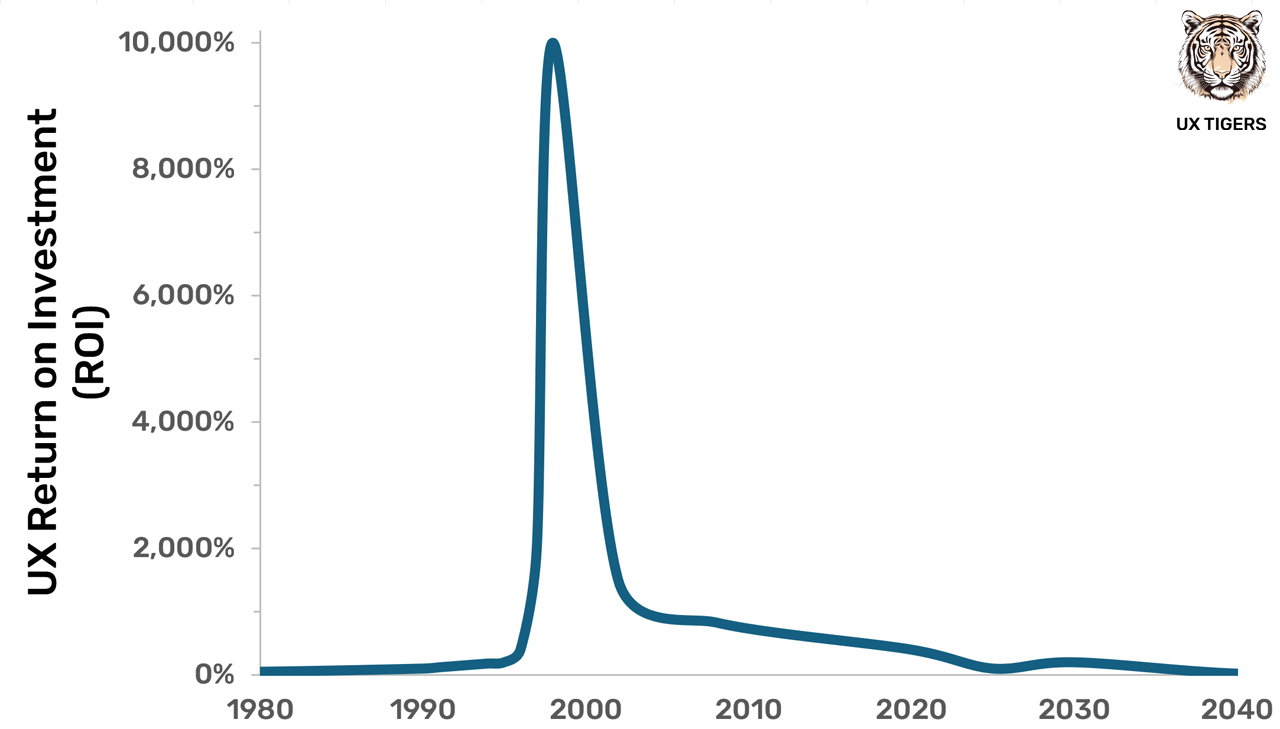
As we look deeper into 2026, the winners will be those who see digital transformation as an ongoing procedure instead of a one-time occasion. The dedication to quality displayed in high-performing portfolios acts as a blueprint for others to follow. By focusing on the user, accepting brand-new search innovations like GEO, and demanding extensive data analysis, companies can attain the kind of development that is both significant and sustainable. The era of digital transformation has moved into its most sophisticated stage yet, where precision and efficiency are the only metrics that really matter.

Table of Contents
Latest Posts
Why Headless Architectures Are Transforming Jacksonville Organization Growth
Designing for 2026: The New Interface Experience Standard
Why Every Law Firm Website Development That Performs Requirements a Security Audit
More
Latest Posts
Why Headless Architectures Are Transforming Jacksonville Organization Growth
Designing for 2026: The New Interface Experience Standard
Why Every Law Firm Website Development That Performs Requirements a Security Audit